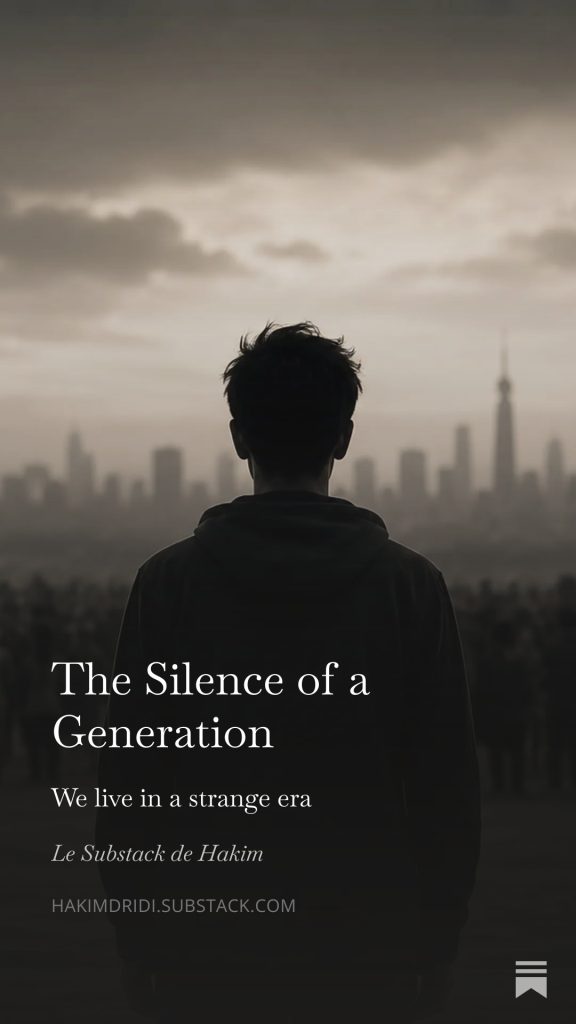
We live in a strange era
Never before have young people been so connected, so educated, so informed, and yet so unheard.
They are consulted, surveyed, studied, measured, and analyzed. Their opinions fill reports, statistics, and conferences. Their future is discussed in parliaments, institutions, and boardrooms.
Yet, when the most important decisions are made, they are too often absent from the table.
This is the paradox of our time.
We are constantly told that youth is the future.
But a future that is never listened to eventually begins to question whether it belongs to the present at all.
A society reveals its deepest values not through its speeches, but through the voices it chooses to hear.
And today, too many young people feel invisible.
Not because they have nothing to say.
But because they have learned that speaking does not always mean being heard.
Some respond with anger.
Others with indifference.
Many with silence.
But silence should never be mistaken for absence.
Behind that silence lies frustration. Disappointment. Questions that remain unanswered. Dreams postponed. Potential left unexplored.
A generation does not become silent because it has lost its voice.
It becomes silent because it begins to doubt that anyone is listening.
And yet, history teaches us something important:
Every generation that transformed the world was once dismissed by those who came before it.
The innovators were called unrealistic.
The reformers were called naïve.
The dreamers were told to wait their turn.
Progress has always begun with people who refused to accept that the world must remain as they found it.
Perhaps the greatest mistake of our time is not that young people lack opportunities.
It is that too many societies still underestimate what young people are capable of becoming.
We invest in technologies, infrastructures, and economies.
But the most valuable investment any society can make remains the same:
Trust in its people.
Trust in its youth.
Not because young people are perfect.
Not because they hold all the answers.
But because no generation can inherit a future it was never allowed to help shape.
This publication was born from a simple conviction:
Ideas matter.
Questions matter.
Voices matter.
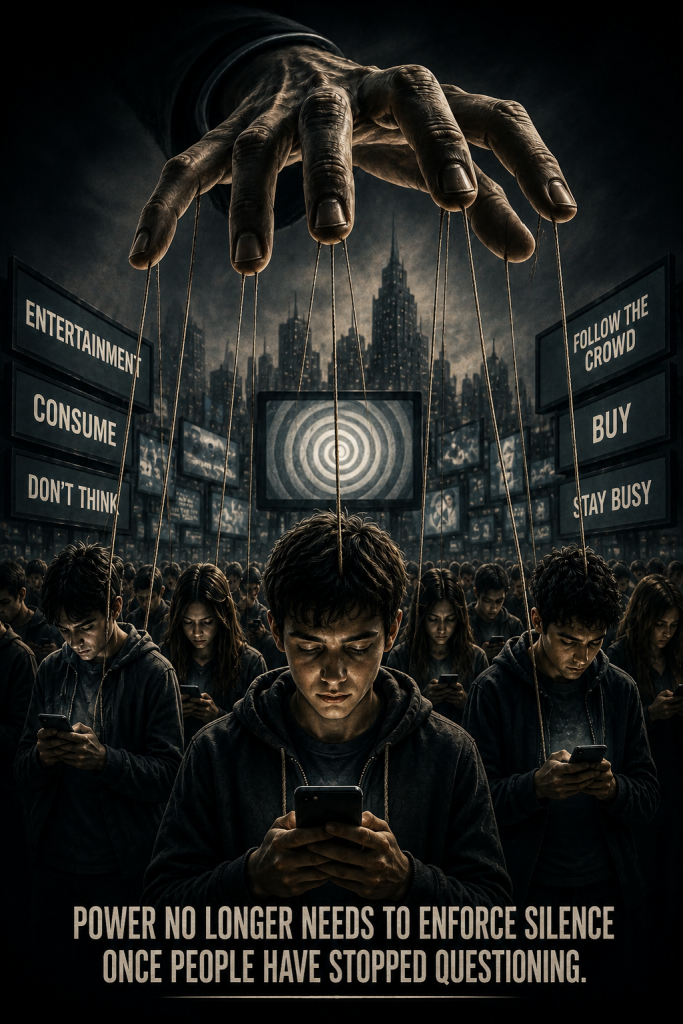
In a world overflowing with noise, choosing to think is an act of resistance.
Choosing to write is an act of hope.
And choosing to listen may be one of the most important responsibilities of our century.
Because the future is not something that happens to us.
It is something we build together.
— Hakim DRIDI